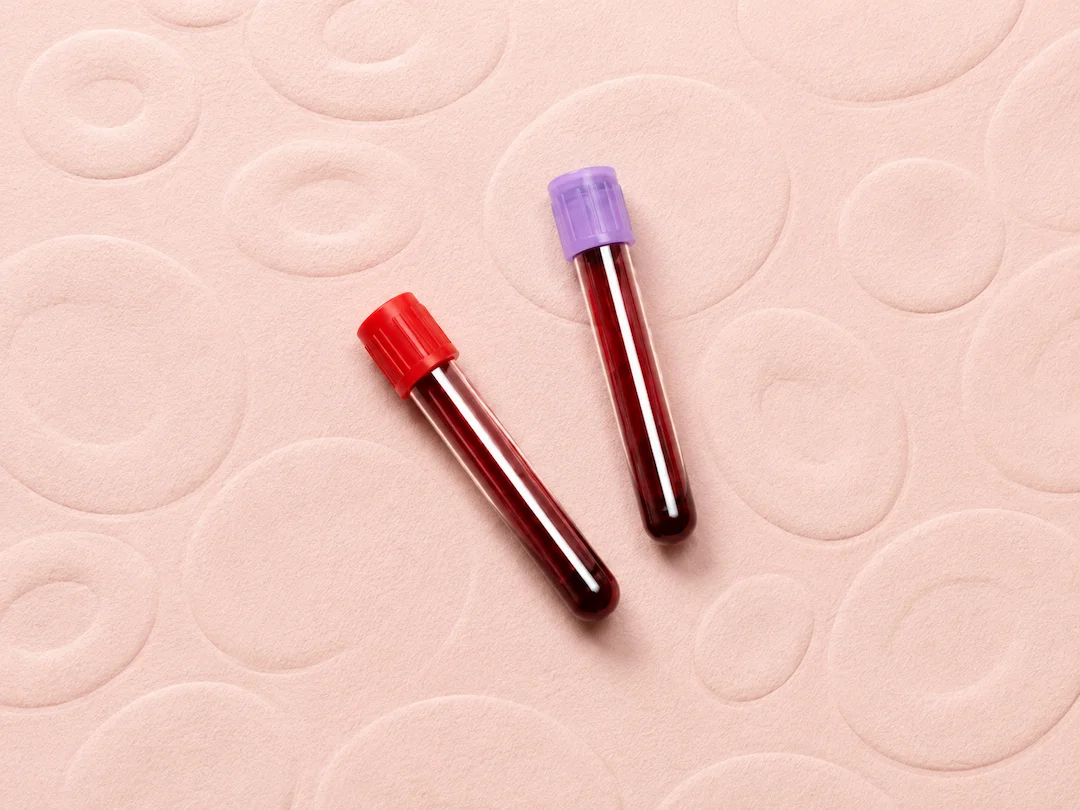
Cardiac Risk Panel

Advanced lipid and inflammation markers, including ApoB and Lp(a), from one blood draw.
Illustration of a stylised Biological Age on a soft background

Heart Health

Living With It

1.3 million

Australian adults are living with heart, stroke or vascular disease

https://www.aihw.gov.au/reports/heart-stroke-vascular-diseases/hsvd-facts/contents/summary

Every Day

156

acute coronary events occur across Australia each day, around 57,100 a year

https://www.aihw.gov.au/reports/heart-stroke-vascular-diseases/hsvd-facts/contents/summary

Measurable And Common

30%

of Australian adults have an abnormally high total cholesterol level

https://www.abs.gov.au/statistics/health/health-conditions-and-risks/national-health-measures-survey/2022-24

Living With It

1.3 million

Australian adults are living with heart, stroke or vascular disease

https://www.aihw.gov.au/reports/heart-stroke-vascular-diseases/hsvd-facts/contents/summary

Measurable And Common

30%

of Australian adults have an abnormally high total cholesterol level

https://www.abs.gov.au/statistics/health/health-conditions-and-risks/national-health-measures-survey/2022-24

Every Day

156

acute coronary events occur across Australia each day, around 57,100 a year

https://www.aihw.gov.au/reports/heart-stroke-vascular-diseases/hsvd-facts/contents/summary

Living With It

1.3 million

Australian adults are living with heart, stroke or vascular disease

https://www.aihw.gov.au/reports/heart-stroke-vascular-diseases/hsvd-facts/contents/summary

Every Day

156

acute coronary events occur across Australia each day, around 57,100 a year

https://www.aihw.gov.au/reports/heart-stroke-vascular-diseases/hsvd-facts/contents/summary

Measurable And Common

30%

of Australian adults have an abnormally high total cholesterol level

https://www.abs.gov.au/statistics/health/health-conditions-and-risks/national-health-measures-survey/2022-24

Rachel Stone, personal trainer working out sweaty with a barbell

DIAGNOSTIC OVERVIEW

DIAGNOSTIC OVERVIEW

What Cardiac Risk Panel Is

This panel adds six markers to the standard lipid picture, all from the same blood sample. Apolipoprotein B counts the particles that carry cholesterol rather than the cholesterol itself. Lipoprotein(a) is largely set by your genes. High-sensitivity CRP, homocysteine and fibrinogen describe inflammation and clotting tendency.

Why it's worth it

Beyond standard cholesterol.

One draw, six markers.

An inherited marker most people never measure.

light flare bokeh blue background

DIAGNOSTIC DETAILS

What it measures

You get apolipoprotein B and A1, lipoprotein(a), high-sensitivity CRP, homocysteine and fibrinogen. These are markers associated with cardiovascular risk and studied in relation to it. They are read alongside your standard lipids, blood pressure and history rather than as a standalone verdict.

Particle Count

Apolipoprotein B counts the particles carrying cholesterol through your blood rather than the cholesterol they contain, which is a different question from a standard lipid panel.

Inflammation And Clotting

High-sensitivity CRP, homocysteine and fibrinogen are studied in relation to vascular inflammation and clotting tendency.

An Inherited Marker

Lipoprotein(a) is largely set by genetics rather than diet, so it is a marker most people measure once and then know for good.

One Draw, Read Together

All six markers come from the same sample and are interpreted alongside your standard lipids, blood pressure and history.

light flare bokeh blue background

DIAGNOSTIC DETAILS

What it measures

You get apolipoprotein B and A1, lipoprotein(a), high-sensitivity CRP, homocysteine and fibrinogen. These are markers associated with cardiovascular risk and studied in relation to it. They are read alongside your standard lipids, blood pressure and history rather than as a standalone verdict.

Particle Count

Apolipoprotein B counts the particles carrying cholesterol through your blood rather than the cholesterol they contain, which is a different question from a standard lipid panel.

Inflammation And Clotting

High-sensitivity CRP, homocysteine and fibrinogen are studied in relation to vascular inflammation and clotting tendency.

An Inherited Marker

Lipoprotein(a) is largely set by genetics rather than diet, so it is a marker most people measure once and then know for good.

One Draw, Read Together

All six markers come from the same sample and are interpreted alongside your standard lipids, blood pressure and history.

light flare bokeh blue background

DIAGNOSTIC DETAILS

What it measures

You get apolipoprotein B and A1, lipoprotein(a), high-sensitivity CRP, homocysteine and fibrinogen. These are markers associated with cardiovascular risk and studied in relation to it. They are read alongside your standard lipids, blood pressure and history rather than as a standalone verdict.

Particle Count

Apolipoprotein B counts the particles carrying cholesterol through your blood rather than the cholesterol they contain, which is a different question from a standard lipid panel.

Inflammation And Clotting

High-sensitivity CRP, homocysteine and fibrinogen are studied in relation to vascular inflammation and clotting tendency.

An Inherited Marker

Lipoprotein(a) is largely set by genetics rather than diet, so it is a marker most people measure once and then know for good.

One Draw, Read Together

All six markers come from the same sample and are interpreted alongside your standard lipids, blood pressure and history.

HOW IT WORKS

From booking to your results

Standard lipids answer part of the question. Here is how a Cardiac Risk Panel goes from a single blood draw to a fuller cardiovascular picture.

Your Results Are In!

Tap to review your results and see what's next.

01

Speak with your clinician

A Cardiac Risk Panel is clinician selected, so it starts with a conversation about whether these markers add something to the lipid results you already have.

02

Give your sample

Attend an SNP collection centre for a standard blood draw, usually five to ten minutes. Preparation follows the request agreed with your clinician for this risk question.

03

Laboratory analysis

An accredited pathology laboratory measures apolipoprotein B and A1, lipoprotein(a), high-sensitivity CRP, homocysteine and fibrinogen from the same sample.

04

Results in the app

Your results are reviewed with a clinician against standard lipids, blood pressure and history, with the limits of each marker explained before any next step.

05

Review and plan

A clinician explains what each marker is associated with, how it reads against your standard lipids and history, and what, if anything, is worth acting on.

HOW IT WORKS

From booking to your results

Standard lipids answer part of the question. Here is how a Cardiac Risk Panel goes from a single blood draw to a fuller cardiovascular picture.

Your Results Are In!

Tap to see what's next.

01

Speak with your clinician

A Cardiac Risk Panel is clinician selected, so it starts with a conversation about whether these markers add something to the lipid results you already have.

02

Give your sample

Attend an SNP collection centre for a standard blood draw, usually five to ten minutes. Preparation follows the request agreed with your clinician for this risk question.

03

Laboratory analysis

An accredited pathology laboratory measures apolipoprotein B and A1, lipoprotein(a), high-sensitivity CRP, homocysteine and fibrinogen from the same sample.

04

Results in the app

Your results are reviewed with a clinician against standard lipids, blood pressure and history, with the limits of each marker explained before any next step.

05

Review and plan

A clinician explains what each marker is associated with, how it reads against your standard lipids and history, and what, if anything, is worth acting on.

HOW IT WORKS

From booking to your results

Standard lipids answer part of the question. Here is how a Cardiac Risk Panel goes from a single blood draw to a fuller cardiovascular picture.

Your Results Are In!

Tap to review your results and see

what's next.

01

Speak with your clinician

A Cardiac Risk Panel is clinician selected, so it starts with a conversation about whether these markers add something to the lipid results you already have.

02

Give your sample

Attend an SNP collection centre for a standard blood draw, usually five to ten minutes. Preparation follows the request agreed with your clinician for this risk question.

03

Laboratory analysis

An accredited pathology laboratory measures apolipoprotein B and A1, lipoprotein(a), high-sensitivity CRP, homocysteine and fibrinogen from the same sample.

04

Results in the app

Your results are reviewed with a clinician against standard lipids, blood pressure and history, with the limits of each marker explained before any next step.

05

Review and plan

A clinician explains what each marker is associated with, how it reads against your standard lipids and history, and what, if anything, is worth acting on.

"Two people can have identical cholesterol results and quite different risk. Particle count and an inherited marker like Lp(a) are often what explains the gap."

"Two people can have identical cholesterol results and quite different risk. Particle count and an inherited marker like Lp(a) are often what explains the gap."

Goutham Sivasuthan. CEO and Co Founder of Precursor

Dr Goutham Sivasuthan (FRACS, MBBS, MSurg, BSc)

Dr Goutham Sivasuthan (FRACS, MBBS, MSurg, BSc)

Dr Goutham Sivasuthan (FRACS, MBBS, MSurg, BSc)

Precursor Co-Founder & CEO

TAKE CONTROL OF YOUR HEALTH

Book Your Cardiac Risk Panel Now

Book Your Cardiac Risk Panel Now

Find the precursor, shape the outcome.

FAQs
Your Questions, Answered

How do I book a test?

Choose your test and a time that suits you online, then visit one of our partner locations. If any preparation is needed, such as fasting, we tell you clearly when you book.

When and how do I get my results?

Your results appear in the Precursor app once your sample or scan has been processed, laid out in plain language rather than a wall of numbers. Turnaround depends on the test, and we give you a timeframe when you book.

Will someone explain my results to me?

Yes. A clinician reviews your results, flags anything worth your attention and helps you understand what they mean and what, if anything, to do next. You are never left to interpret them alone.

Where can I get tested?

We operate through partner locations across South East Queensland, including Brisbane, the Gold Coast and the Sunshine Coast. You choose the most convenient one when you book.

Do I need to prepare or fast beforehand?

It depends on the test. Some require fasting or other simple preparation, and others need nothing at all. Whatever applies, we tell you clearly at the time you book so there are no surprises on the day.

Can I track my results over time?

Yes. The Precursor app is built to show change between tests, so each result becomes a trend you can follow rather than a one-off snapshot. Retesting lets you see the effect of any changes you make.

How is my data handled and kept private?

Your health data is handled with care and kept private. Results are stored securely in the Precursor app and shared only with you and the clinicians involved in your care.

What happens if something needs further attention?

If your results surface something worth acting on, your clinician explains it calmly and talks you through sensible next steps. The aim is early clarity and considered action, never unnecessary alarm.

What is a good BRI score?

There is no single answer, because it depends on your height and which guidance you are being measured against. This calculator converts the Australian waist thresholds into BRI at your own height, so your bands are specific to you. Most BRI tools use bands from an American mortality study, which produce noticeably different results for Australians.

Is BRI better than BMI?

It is better at one specific thing, which is detecting central fat, because it uses your waist. It is not better across the board. BMI is generally reliable when it flags someone, and research suggests the two measures agree in the large majority of cases. The useful comparison is not which one wins but whether they disagree about you.

macro photography of leaf

A new way Australians get ahead of their health.

Start looking. Today.

Curated diagnostics and a clinician-guided plan, built around getting ahead of what matters.

macro photography of leaf

A new way Australians
get ahead of their health.

Start looking. Today.

Curated diagnostics and a clinician-guided plan, built around getting ahead of what matters.

macro photography of leaf

A new way Australians get ahead of their health.

Start looking. Today.

Curated diagnostics and a clinician-guided plan, built around getting ahead of what matters.